By Jesse Eastman
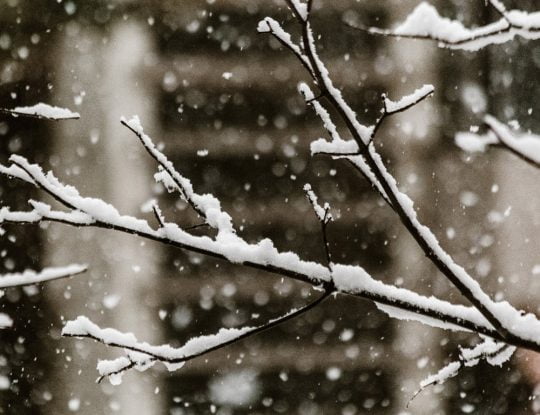
Winter along the Colorado Front Range is defined by dry air, minimal precipitation, low soil moisture, fluctuating temperatures, the occasional heavy wet snow, and intense sun. It’s a high-desert climate, and because of this, our dormant landscapes, and especially our woody trees and shrubs, need some extra care to avoid winter damage.
Here are some easy steps you can take to minimize the risk of winter damage and ensure a happy landscape when spring arrives:
Winter Watering:
Even though winter is here and trees and shrubs are dormant, they still need winter watering in our high desert climate. Thoroughly water trees, shrubs, (as well as lawns and perennial beds) at least once a month. Remember to water midday when temperatures are above 40 degrees so that water has time to soak into the soil before it freezes at night.
Newly planted trees, shrubs and perennials are the most at risk. Try to water these 2-3 times a month. Fall-laid sod will also need extra moisture. Areas that are on a slope or exposed to drying winds and/or intense sun are more at risk and should be watered with greater frequency. A layer of mulch can also help prevent moisture loss from the soil.
Make sure that you disconnect and drain your hose after watering to avoid freezing pipes and to prolong the life of your garden hose.
Trunk Wrap:
Sunscald and frost cracks can occur on the side of young deciduous tree trunks. A typical warm and sunny winter day (50 or 60 degrees Fahrenheit) can cause the living layer under the bark to come out of dormancy and become active. If temperatures drop below freezing it kills active cells and conductive tissue. Young, thin-barked deciduous trees, such as honey locusts, fruit trees, ashes, oaks, maples, lindens and willows are at highest risk. Tree wraps made of crepe paper insulate bark and are an effective way to prevent sunscald. In late October or early November, wrap trunks upward from the base of the tree to a point just above the lowest branches. Overlap about 33 percent with each turn. Secure the wrap with tape, but be careful not to attach the tape to the tree bark. Be sure to remove tree wrap and tape the following April to avoid girdling and possible insect damage.
Pruning:
While light pruning can be done any time of year, late winter and early spring are an excellent time for full-tree pruning. Prune before the tree has begun setting leaves so its resources are devoted to recovery.
Dead and diseased branches should be removed first, then secondary cuts for shape, structure (no lopsided trees!) and ventilation. Be sure to utilize the “three-cut method” for larger branches to avoid bark peeling, and make sure to avoid leaving long stubs or making flush cuts. The Colorado State University Extension website has many great articles showing pruning methods for various types and sizes of trees and shrubs. As always, keep safety in mind and consult with a certified arborist for larger trees.
Originally published on January 27th, 2023.