By Alex Tisthammer
It is such a joy when all the daffodils, crocus and tulips start to pop up in the spring, especially this year, after such a long and cold winter. When they start to pop up I find myself thinking, why didn’t I plant some in my yard? Luckily, I don’t need to kick myself too hard for this slip up, because summer bulb season is right around the corner!
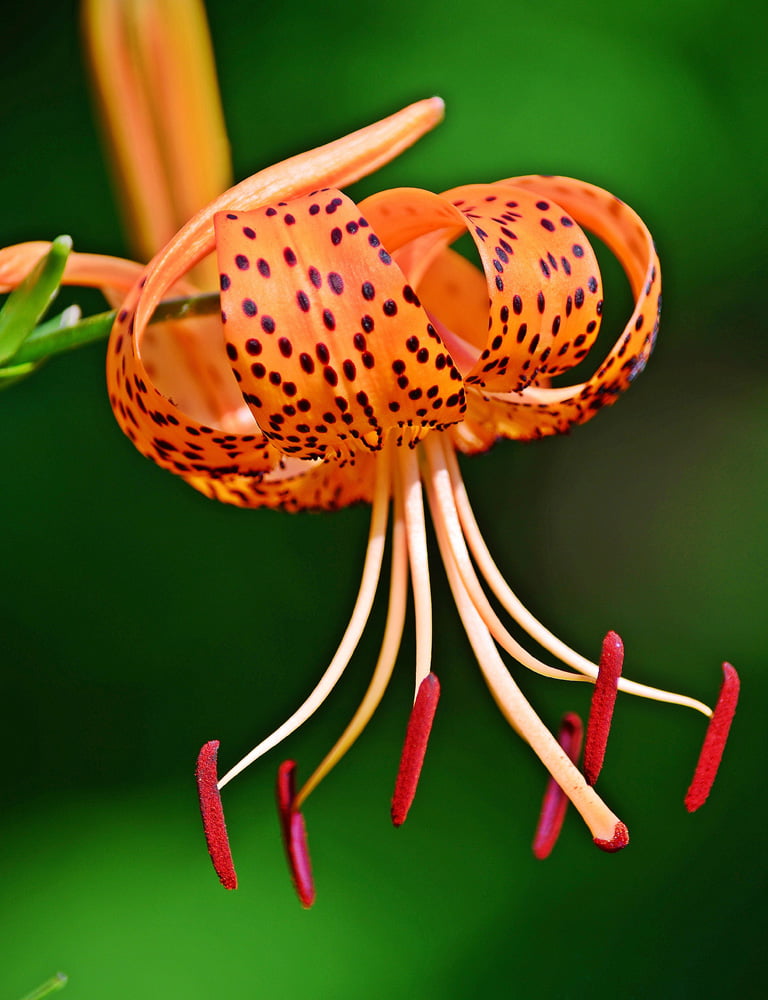
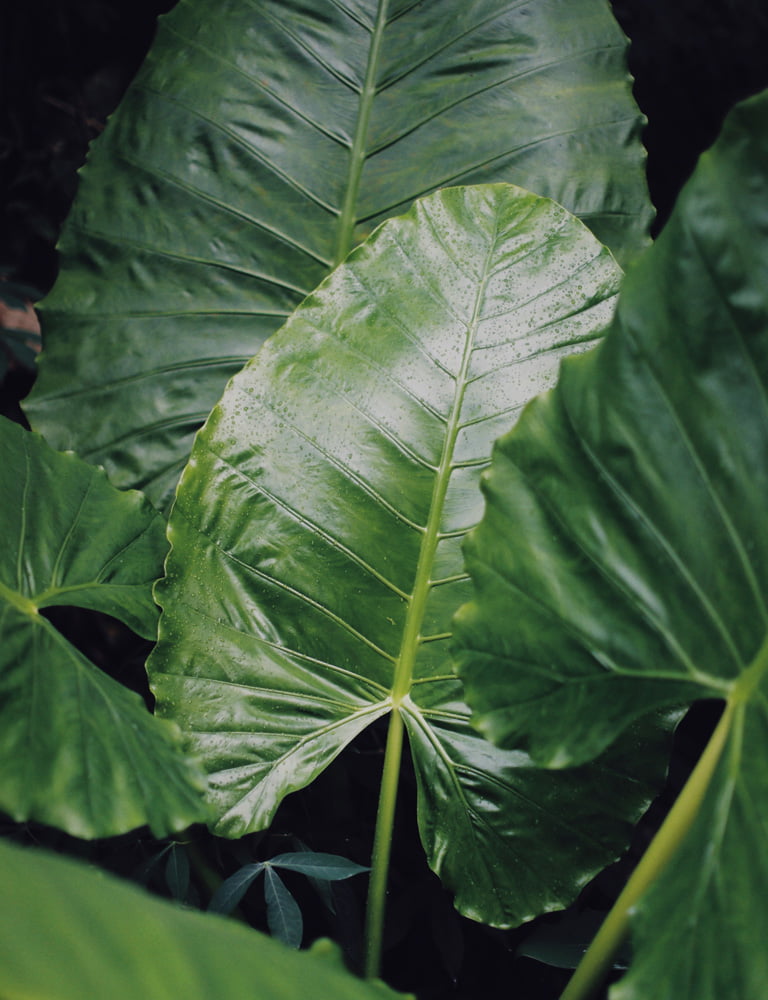
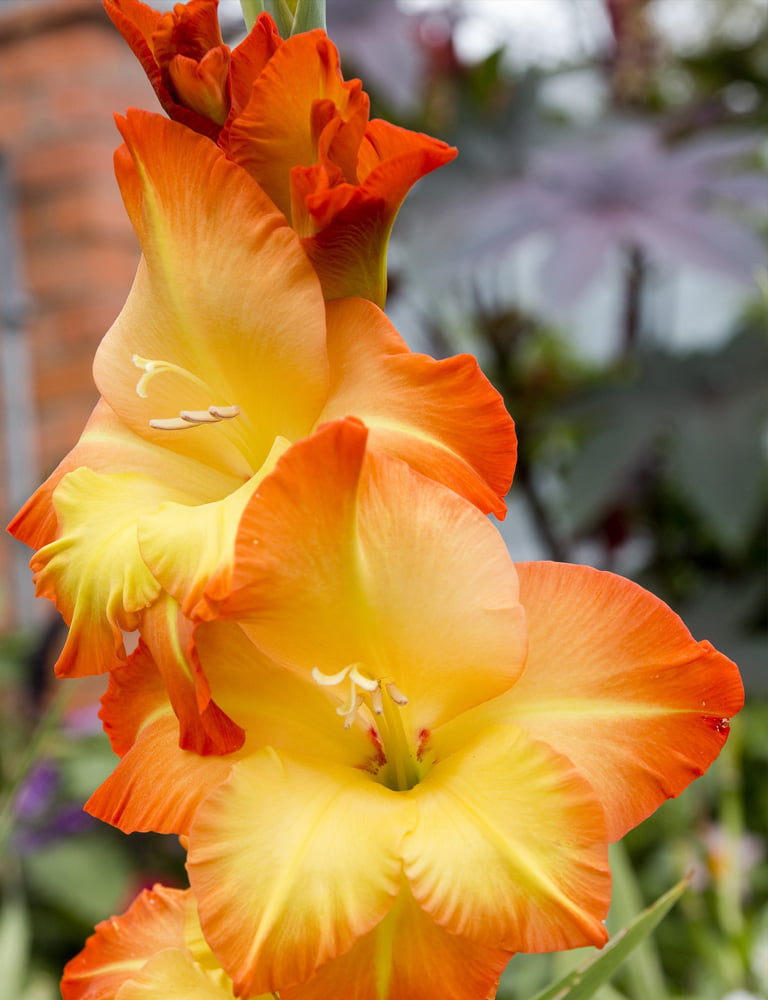
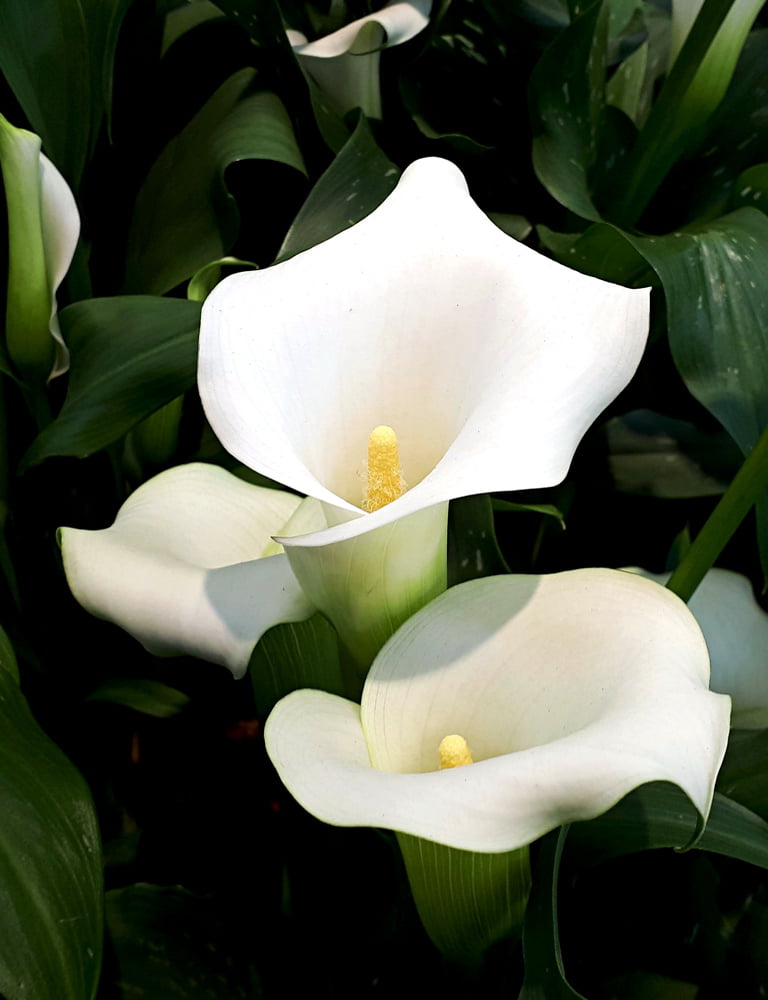
There are a plethora of spring-planted summer bulbs you can plant to elevate your garden or patio. Elephant ears, cannas, and calla lilies can give your shady patio a tropical feel, while dahlias, gladiolus, lilies, and eremurus make a beautiful addition to any garden to enjoy or put into your homemade bouquets. Spring-planted bulbs are a bit more labor intensive than fall-planted bulbs because most have to be lifted in the fall, as they cannot survive the cold winters, but they are so worth the effort. If they are lifted and overwintered properly, they only need to be purchased once, and they will get bigger and multiply every year. The only “bulbs” that can be left in the ground are lilies and foxtail lilies. Gladiolus can overwinter in the ground depending on where you are located, but aren’t reliably hardy.
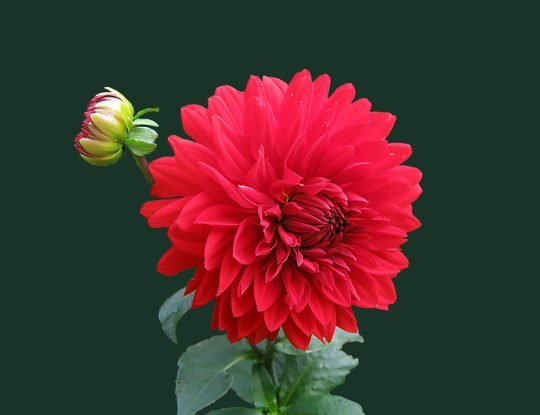
One of the most popular summer bulbs are dahlias. They come in a wide array of colors, sizes and flower shapes. They make a wonderful addition to any cut flower garden or interspersed between other perennials in your yard. Imagine being able to go out into your yard and cut dahlia blossoms that look like they’re straight from the farmer’s market! There are many different types of dahlias, including cactus and semicactus, pompons and balls, decorative, peony and orchid dahlias, and more. One of the most popular groups is the dinner plate dahlias, even though they aren’t an official classification. These are dahlias with huge blossoms up to 12” across that bloom continuously from July until the first frost. With their massive size and long bloom season, it’s easy to see why this group is such a favorite. Because of their huge blossoms and long stems, they need to be staked when they start to bud to prevent them from snapping in the wind. If you live in a really windy area, plant the shorter bushier types, like the single or mignon dahlias. Single dahlias are also wonderful for bees and butterflies.
Beyond dahlias, there are tons of different options. Here is a list of what you’ll find at Fort Collins Nursery:
- Dahlias
- Calla Lilies
- Begonias
- Anemones
- Nerines
- Sparaxis
- Elephant Ears
- Cannas
- Gladiolus**
- Lilies*
- Ranunculus
- Ismene
- Caladiums
*Hardy, can overwinter in the ground and you don’t need to lift them.
**Marginally hardy, may survive overwintering in the ground in warm and well-protected locations, but may die in colder locations.
I prefer to get a head start on my summer bulbs and plant them up in used #1 nursery pots and grow them inside under a grow light, or if it’s a little later in the season, I will have them in an unheated but sunny area. When we have cold daytime/nighttime temperatures, usually anything lower than 38 degrees, I will bring them inside. This extends our short growing season and helps get as many blooms as possible. I use a basic potting soil as long as it doesn’t stay too moist and then use a liquid fertilizer when they are big enough. Once they have good green upper growth and are rooted out, I’ll place them in my yard. When planting in pots instead of directly in the ground, I can prevent the bulbs from staying too wet, and if we get a late snow or frost, they can be brought inside for the night.
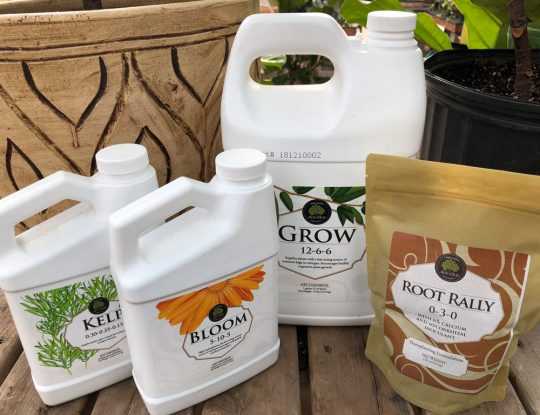
Once I have planted them in the ground, they are easy to take care of and I can pretty much just sit back and enjoy the flowers! If I choose to fertilize them to amp up their blossoms, I’ll use any bloom focused fertilizer. I prefer Age Old Bloom from Age Old Organics because it’s organic and can be used on anything in the garden, and since it’s a liquid, it is fast acting. Perennial bulbs like lilies, eremurus, and gladiolus will go dormant after they are done blooming. It’s easy to know when this is happening because the foliage starts to yellow and brown. They do not need more water or fertilizer if you see this! The bulb is absorbing the nutrients from the upper growth to store in its root system to survive the winter until next year. Once the foliage and stems are completely brown and crisp, I’ll cut it off at ground level.
As mentioned above, summer bulbs do require a little more effort in the fall. You will want to dig up dahlias, calla lilies, and cannas. Right before or right after we get our first hard frost, you’ll want to go out and dig them up and store them in peat moss or perlite in mesh bags, either hung or in boxes. The mesh will allow them to breathe, and putting several layers of paper between bulb layers will reduce the chances of rot or mold. The area that they are stored in should be dark and cool. If your plants have multiplied and have small bulbs or corms attached, divide them in the spring when you bring them out to plant. Dividing them when you dig them up can increase the chance of rot. If you are looking for a more indepth article about lifting and storing bulbs, follow this link from Wisconsin Horticulture, https://hort.extension.wisc.edu/articles/storing-tender-bulbs-for-winter/
You can lift gladiolus as well, but they can often overwinter in the ground in Fort Collins.
Begonias, alocasias, caladiums and elephant ears are technically tubers, and can be grown in pots then brought inside and treated as a houseplant in the winter. For the more specialty bulbs like lycoris, nerines, ismene, sparaxis, and ixias, I prefer to plant in pots and bring them into my sunroom over the winter where they won’t freeze. They’ll still get plenty of sunlight and I can give them water when they feel dry. Be cautious to not water them too much and cause the bulbs to rot. Bulbs and tubers should generally stay much drier than your typical houseplants.
Like annuals, bulbs are a fun way to mix it up in your yard from year to year, and they allow you to experiment with different colors, textures, and heights. They also provide many fun flowers to use in your own bouquets so you can add outdoor color inside your home. Stop by Fort Collins Nursery soon to check out all the different types and colors we have available to transform your yard or patio this season!
Author’s note: Bulb is used as a general term throughout this article, although some of the plants discussed are technically rhizomes, corms or tubers.
Originally published on April 27th, 2023. Updated on May 1st, 2023.