Fruit Trees
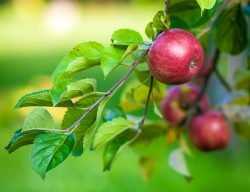
Fruit trees are a beautiful and productive addition to any home landscape. They provide privacy and shade, look beautiful, and can produce large quantities of delicious, edible fruit. Did you know a single mature apple tree can yield up to 15-20 bushels of fruit per year? Fruit trees are some of the best options for long-term, sustainable, and low maintenance growing and can continue to produce fruit for decades. Fort Collins Nursery has one of the largest selections of fruit trees in the region with over 80 varieties of fruit trees including apple, cherry, plum, peach, pear, and crabapple. Our trees are selected for their ability to grow and thrive in our Northern Colorado environment.
With so many fruit trees to choose from, here are a few ideas to get you started:
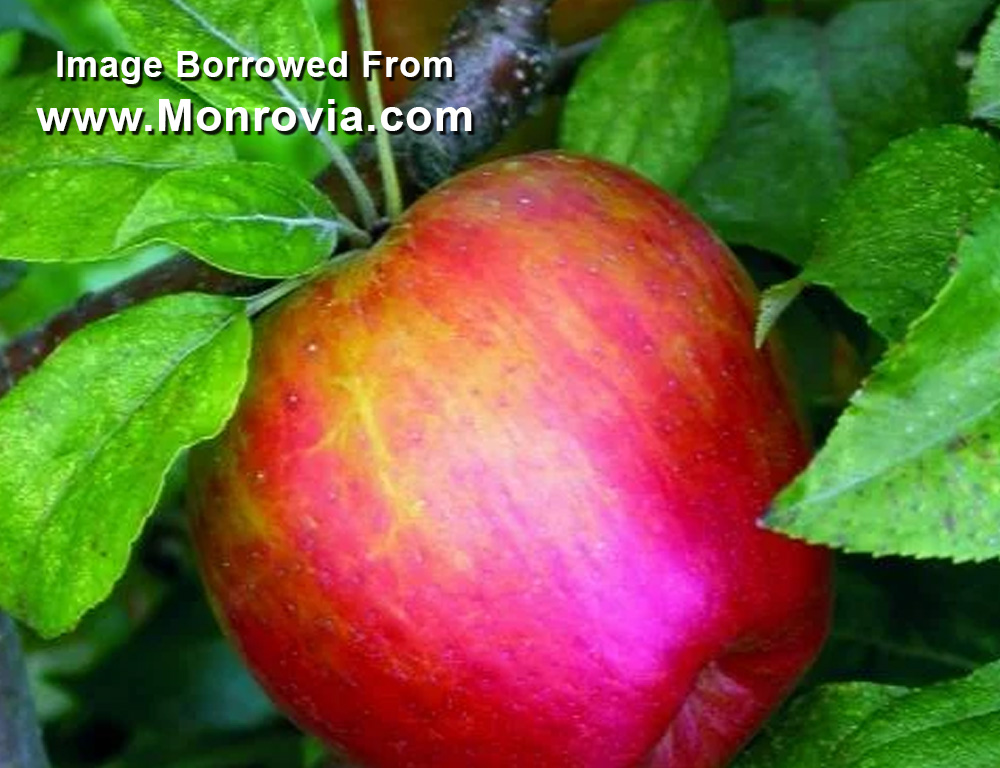
Honeycrisp Apple
Malus ‘Honeycrisp’
Available on either standard or semi-dwarf root stock, this tree produces a large crop of crisp, sweet fruit that can be over 3” in diameter and ripens in September. Honeycrisp apples are sweet, firm, and tart, making them perfect for eating right off the tree. Honeycrisp trees are known for their hardiness, however some protection from our strong winds is a must. Apple trees are not self-pollinating so you’ll need a different apple variety nearby in order for it to produce fruit.
- Height: Standard 15-20 ft. / Semi-dwarf 12-16 ft.
- Width: Standard 15-20 ft. / Semi-dwarf 12-16 ft.
- Water: Moderate
- Bloom: Mid-Season
- Zones: 3-6
Honeycrisp apples were introduced by the University of Minnesota in 1991. They have since been crossed with other apple varieties, creating wonderful hybrids that are also available at Fort Collins Nursery including Sweet Sixteen, KinderKrisp, Frostbite, and Snow Sweet.
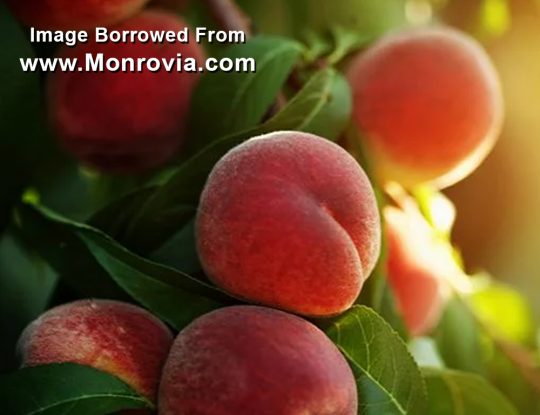
Contender Peach
Prunus persica ‘Contender’
The Contender peach is known for being cold-hardy and produces peaches in regions where temperatures fall well below zero. It features large, round, freestone fruits with yellow flesh and red-blushed skin. It is a wonderful tasting variety with sweet, juicy fruit that is excellent for canning or eating fresh. Contender peach trees are self-pollinating, but adding another pollinator nearby may increase the size of your crop.
- Height: Standard 12-18 ft.
- Width: Standard 12-15 ft.
- Water: Moderate
- Bloom: Spring/ Pink
- Zones: 4
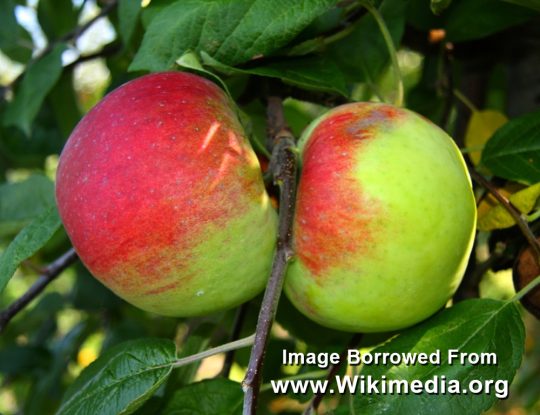
Cortland Apple
Malus ‘Cortland’
A well-known variety first introduced in 1915, the Cortland apple is a cross between Macintosh and Ben Davis that inherited the good qualities of both. This productive tree features medium sized apples that are a beautiful bright red with snow-white flesh. The sweet, tart flavor is great for both baking and fresh eating and the flesh won’t turn brown in salads. A pollinator is required so another early or mid-blooming apple variety is needed.
- Height: Standard 12-15 ft.
- Width: Standard 12-15 ft.
- Water: Moderate
- Bloom: Spring/ White
- Zones: 4-7
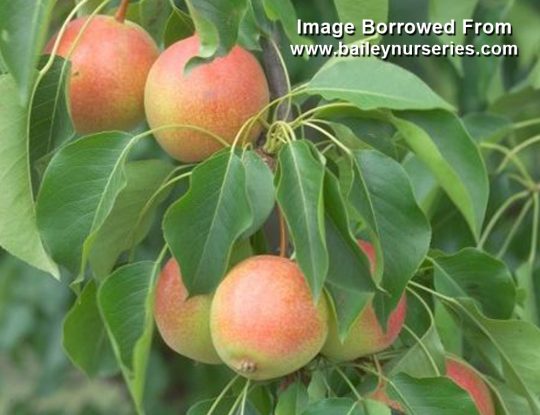
Juicy Jewel Asian Pear
Pyrus ‘MN121’
Juicy Jewel® Asian Pear has crisp, yet juicy apple-like texture, strong disease resistance, and an early harvest date in mid-August that will make it a popular choice for cool-climate growers. Juicy Jewel® produces attractive oval-to-elliptical-shaped fruit with yellow-green skin and the occasional orange-pink blush. Taste-wise, Juicy Jewel® fruit is sweet with mild tropical overtones. It can be picked ripe for immediate consumption and may be stored for two to three months when refrigerated. The tree should be planted in combination with another pear variety to ensure cross pollination and optimum fruit production.
- Height: Standard 10-15 ft.
- Width: Standard 8-12 ft.
- Water: Moderate
- Bloom: Spring/ White
- Zones: 4b
Small Fruits
There are many mouth watering reasons to add small fruits to your garden landscape. They produce beautiful blooms and fragrance as well as a bounty of delicious edible fruits to snack on throughout the summer. They not only taste better than most store-bought fruits but they can save you money during peak season pricing as well. You’ll also take pride in the fact that you grew them all by yourself!
Fort Collins Nursery has a broad selection of small fruit vines and bushes. You’ll find more than a dozen popular varieties like blackberry, blueberry, rhubarb, raspberry, and grape, plus some of the less common varieties like currant, goji berry, haskap berry, and serviceberry.
Here are a couple of tasty examples for you to try:

Regent Serviceberry
Amelanchier alnifolia ‘Regent’
Regent Serviceberry is a nicely shaped shrub with round, soft green leaves. They are adorned with large, fragrant white flowers in spring that give way to blackish-purple, edible fruit. Regent Serviceberry plants are equally stunning in autumn with yellow to red fall foliage. This is the best Serviceberry in terms of fruit production and its berries can be used for canning, eaten fresh, or left as a treat for the robins who love them too!
- Height: 4-6 ft.
- Width: 4-6 ft.
- Water: Moderate
- Bloom: Spring/ White
- Zones: 2-7
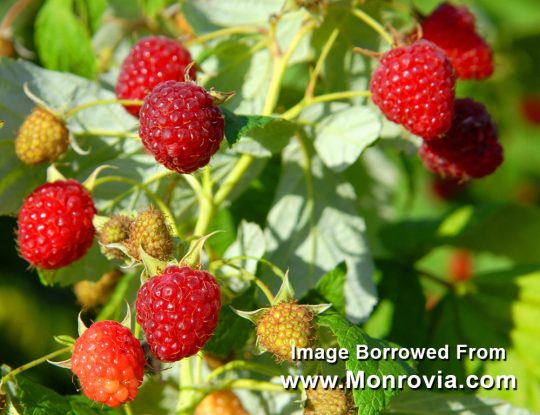
Heritage Raspberry
Rubus idaeus ‘Heritage’
Heritage red raspberry is a favorite for its flavor, firmness and fruit size. This variety produces abundant crops of large, sweet, dark red berries that are perfect for eating fresh, canning, freezing, or making jams and jellies. It produces a moderate summer crop in July followed by a heavy one from August to frost.
- Height: 4-6 ft.
- Width: 6-8 ft.
- Water: Moderate
- Bloom: Spring/ White
- Zones: 4
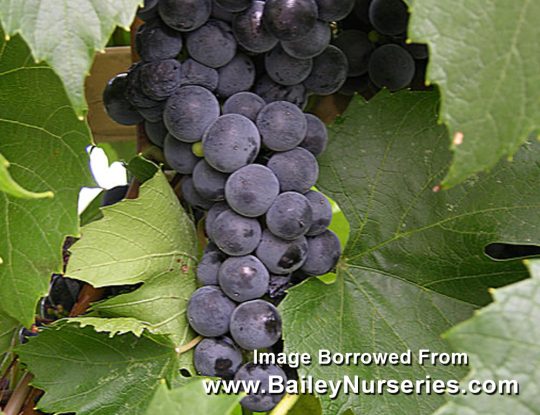
Saint Theresa Seedless Grape
Vitis sp. ‘Saint Theresa’
Saint Theresa Seedless Grape is a hardy table grape for the Rocky Mountain region. This purple, (mostly) seedless, slip-skin grape ripens in early September. It has excellent flavor, perfect for eating fresh or for jams and jellies. The vine is vigorous and healthy and shows little concern for our alkaline soils. Saint Theresa Seedless Grape was bred by Elmer Swenson (renowned for breeding many selections of cold hardy grapes) and is a 2008 Plant Select introduction.
- Height: 15-20’
- Width: 3-8’
- Water: Moderate
- Bloom: Inconspicuous/ Spring
- Zones: 4-9
Originally published on March 1st, 2019. Updated on March 2nd, 2026.