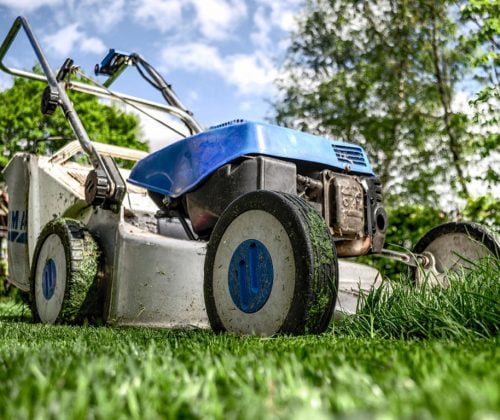
Give your Lawn a Breath of Fresh Air

Photo credit: Minnesota Lawn Care Pro

As soon as the soils warms in Spring, it’s a good time to have your lawn aerated. Aeration, which is better for your lawn then thatch raking, will reduce soil compaction and to improve nutrient and moisture delivery.

Lawns will also benefit from more oxygen to the grasses’ root system.

If thatch in your lawn is thicker than ½ inch, core aerate with a mechanical aerator. This will improve the health and vitality of the lawn.

Leave plugs on top and break them up with a mower.

Tomatoes and Epsom Salts

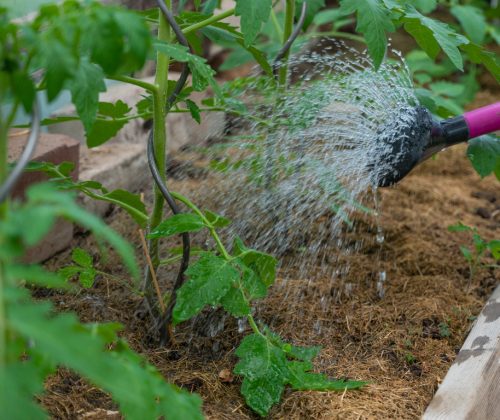
Did you know tomato plants like salty soils? In other parts of the country with acidic soils, Epsom Salt water produce bigger blooms and healthier tomato plants. Magnesium Sulfate helps the plant absorb phosphate fertilizers and increases the plants natural resistance to disease.

Since Colorado soils are loaded with calcium and magnesium, you should only use 1-2 tablespoons of Epsom Salt per gallon of water. Apply around the tomato plant only once during the growing season.

Always consult a soil test before adding fertilizers. If your soil is already too salty, adding salt water could contribute to a decline in vegetable production. We recommend a soil test from the Colorado State University’s soil testing lab.


Growing Pumpkins

Pumpkins, with their edible flesh and long storage capacity, are a warm season crop. They require a long growing season of nearly 85 days, so it’s best to start them indoors from seed. About a week after the last frost (on average May 15), pumpkins can be planted outdoors. But be careful, pumpkins do not like their roots disturbed. We recommend starting them in a natural peat-pot (offered in the garden shop) that can be planted in the soil.

Chose an area in your garden or yard that receives plenty of sunlight, and has at least 8 sq. ft. for pumpkin vines to spread. Soil should be rich with organic matter, but not over-fertilized, which can stunt fruit growth.

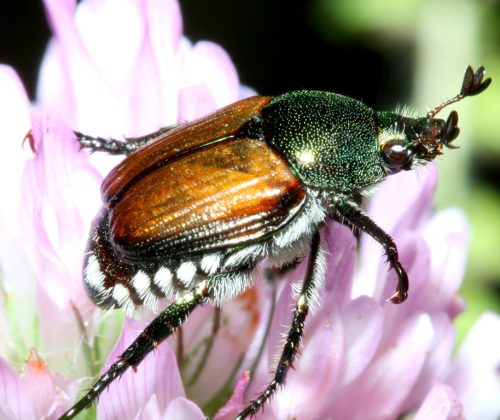
Pumpkins will start to develop after blossoms are pollinated, so encourage pollinators to visit your garden with other flowering plants. Also avoid using pesticides in and around your garden, since they also work on beneficial insects.

To increase the size of giant pumpkins, pick a few nice-sized fruits and cut back the vine just beyond them. This will help all the resources of the plant to be devoted to the growth of those remaining pumpkins.

Interested in entering our annual Giant Pumpkin and Sunflower Contest, Sat., Oct. 6, 2012? Get growing!

Growing Sunflowers

Sunflowers are not only an attractive flower, they also have rich history providing edible seed crops. Sunflowers do best when planted directly in the soil, after night temperatures warm to above 50 degrees. As their name suggests, need plenty of sunlight (minimum of 6 hours per day). They will also turn their flower heads to follow the sun from east to west.

For giant sunflowers, make sure to chose an area in the yard near a fence or support structure. Sunflowers tend to become very top-heavy as seeds develop, sometimes pulling themselves over. Watering sunflowers deeply but infrequently encourages deep root development (which will also help them stand upright). Sunflowers can also be utilized for shade and structure for other vegetables in the garden.

In order to keep birds and squirrels from helping themselves to sunflower seeds, paper bags, nylon mesh or nets can be placed over the flower heads. The best bet is to plant a few extra for wildlife to enjoy, and you to enjoy watching them.

Sunflowers tend to attract aphids, which will feed on the plant and cause some stunting. Instead of using a pesticide, which can harm beneficial insects such as bees and butterflies, try spraying aphids off with a jet of water.

Interested in entering our annual Giant Pumpkin and Sunflower Contest, Sat., Oct. 6, 2012? Get growing!

Speaking of Weeds….

Did something new pop up in your garden? Did you hope it was a volunteer? Keep a close eye on your garden for noxious weeds. Invasive, aggressively-spread weeds can take over after very little time.

Some of the worst Colorado noxious weeds are:  leafy spurge, spotted knapweed, diffuse knapweed, Russian knapweed, Canada thistle, musk thistle, Dalmatian toadflax, yellow toadflax, field bindweed and purple loosestrife.

For a list and photos of Colorado noxious weeds, visit: http://weeds.hotmeal.net.

Help Attract Beneficial Bees and Butterflies

Make your garden more hospitable to bees and butterflies!

  • Reduce the use of pesticides
  • Plant nectar-rich food that blooms through the summer
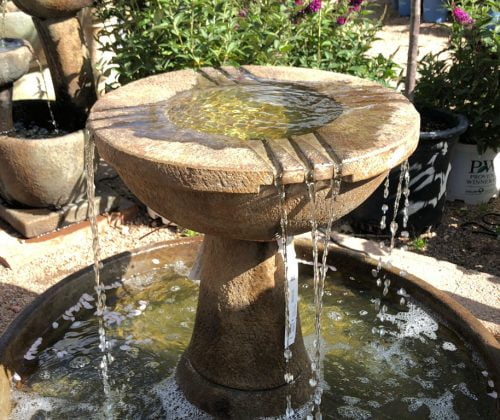
  • Provide a shallow water source and a flat rock
  • Leave a small patch of bare ground for bees to establish underground nests

Bees are most attracted to white, yellow, blue, pink and purple flowers. Try planting wild lilac, western and eastern redbud, flowering quince, cranesbill, lavender, catmint, rhododendron, rose and salvia.

Butterflies need a food source all summer long, so try: yarrow, hyssop, anemone, aster, bluebeard, tickseed, foxglove, coneflower, potentilla, bee balm, Russian sage, blackeyed Susan, pincushion flower, stonecrop, spirea, verbena, milkweed and butterfly bush.

Tomatoes: A Taste of Summer

One of the most popular additions to any vegetable garden is homegrown tomatoes. Nothing beats the taste of a juicy, sweet tomato that has ripened on the vine.

At Fort Collins Nursery, we offer a huge variety of tomato plants and seeds to satisfy your hankering. Our varieties include: Beefsteak, Cherry, Roma, Brandywine, Lemon Boy, and more! Call us at 970-482-1984 for availability.

Tomatoes are tender plants. We recommend using a Season Extender or Hot Kap to protect against cold temperatures. We also offer frost cloth.

Don’t forget to keep tomatoes off the ground with a sturdy tomato cage, garden stake, tomato tower, or even try a Topsy Turvy, and hang them upside down! Whiskey barrels also make excellent containers for indeterminate tomato plants ­– they’ll just grow and grow!

Did you know tomato plants like salty soils?

Before Amending, Get a Soil Test

Soil tests are one of the most essential keys to a successful landscape. Many people add an all-in-one fertilizer every spring, thinking one application and forget about it. This can actually build up nutrients to levels that lead to plants’ decline.

Besides basic at-home test kits available at the nursery, we have the added benefit of Colorado State University’s soil testing lab kits. For a small fee, CSU will run a complete diagnostic for the exact breakdown of your soil’s nutrients and deficiencies.

A complete report is issued, detailing pH, salts, lime, texture, organic matter, nitrogen, phosphorus and other minerals. They also recommend specific steps to take to balance soil.

Bring in your report to Fort Collins Nursery, and we can help fill your soil’s needs!

Spotting a Fido-Friendly Lawn

One problem troubling dog owners is urination spots in the lawn. Grass will yellow and die, often ringed by lush, dark green grass.

The dead spots are caused by concentrated salt and ammonia in the urine, which has a similar effect of burning from over-fertilization. The myth that female dogs urine is more damaging is only partly correct, they just eliminate in one area, causing a concentrated spot.

Avoiding these spots can be a time-consuming process. Some dog owners follow dogs with hose, heavily irrigate the spot, train dogs to go in a gravel or out-of-the-way area, or go for walks (and make it a neighbor’s problem!)

Reviving spots can be quickly remedied by reseeding, or just leaving them to fill in on their own. Another remedy is applying Grass Shield Lawn Protectant in Spring or late Fall, just before dormancy. Grass Shield encourages natural regrowth of grass and helps neutralize harmful salt and ammonia.

Plant a Kitchen Herb Garden

Whether indoors or out, a fresh culinary delight can be found in a kitchen herb garden. It’s easy to do, and a beautiful, edible addition to any garden, patio or windowsill.

First, find a container that provides plenty of room for your herbs roots and good drainage. Place a pottery shard or rock over the drainage hole to avoid soil loss when watering.

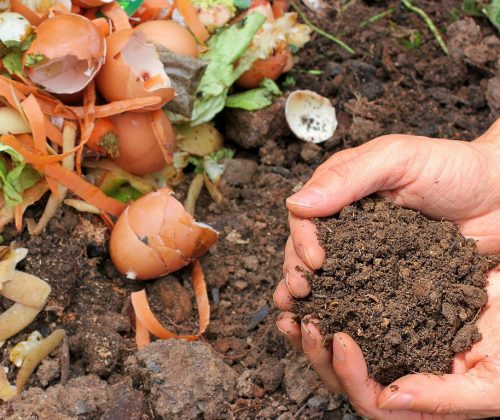
Chose a rich, light potting mix or amend your outdoor bed with a compost full of organic matter, such as peat moss. Since your herbs are going to be consumed, only use organic fertilizers or pesticides.

Choose herbs that you know and love to eat, but group according to water needs. Also factor in that some herbs like to spread, like mint, thyme and oregano, and should be planted in containers. Perennial woody herbs, such as rosemary, are best purchased as a plant, where as annual herbs, like cilantro, can be successfully started from seed.

Harvest herbs before they flower for the best taste. You can control flowering by pinching off flower buds.