
Water is precious, scarce, and expensive here in the arid Rocky Mountain region, especially following one of the driest winters on record. So how do we keep our gardens thriving in these dry conditions? Here are our tips to help keep yards beautiful in spite of drought.
Watering
Adopt these water-wise practices to increase efficiency and reduce water waste:
- Water during the coolest parts of the day (early morning or late evening) to reduce evaporation and ensure moisture reaches the roots.
- Avoid frequent shallow watering; instead, water less often but more deeply to allow water to fully soak into the soil. This promotes stronger, deeper root systems and longer-lasting soil moisture.
- Water slowly, allowing moisture to penetrate deeply into the soil. If water begins pooling or running off, reduce the flow and give it time to soak in.
- Don’t mistake heat-related drooping for lack of water; some plants naturally wilt in heat and recover later. Check soil moisture before watering; if the top couple inches are still moist, plants likely don’t need water yet.
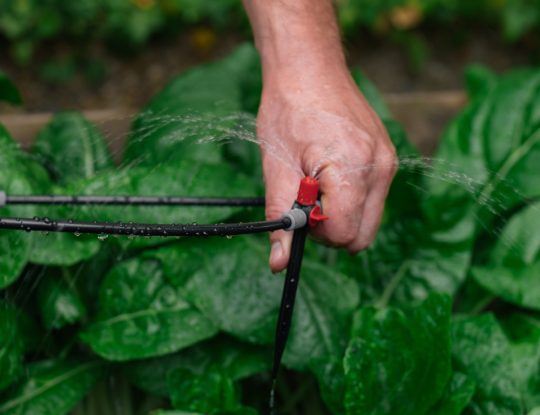
- Consider converting to a drip system or a spigot-to-drip setup that can operate from a home’s water spigot. Use a timer or adjust drip systems to allow longer, deeper soak times.
- Apply water directly to the soil beneath the plant, not on the leaves, to reduce waste and prevent fungal diseases.
- For newly installed plants, water at the base where roots are concentrated. For established plants and trees, water the drip line – below the outer edge of the canopy – where the tips of most roots are located.
Plant Selection
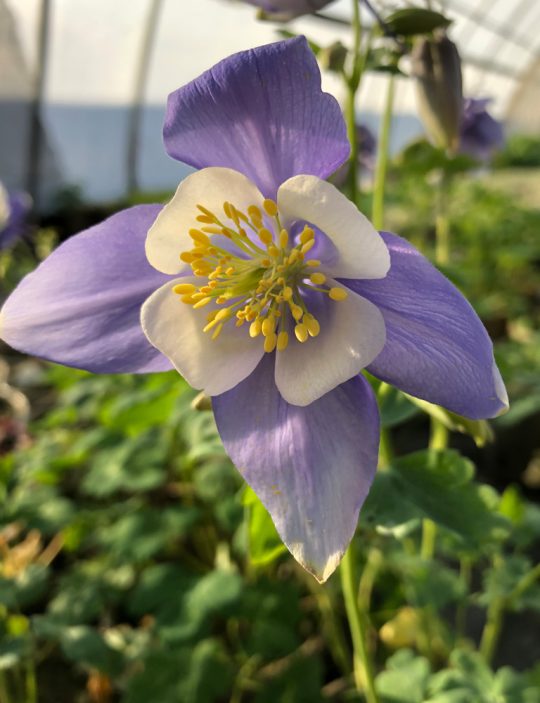
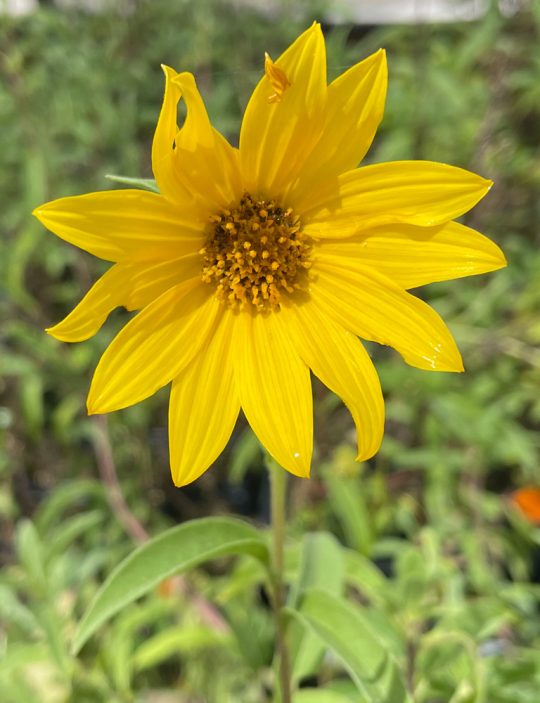
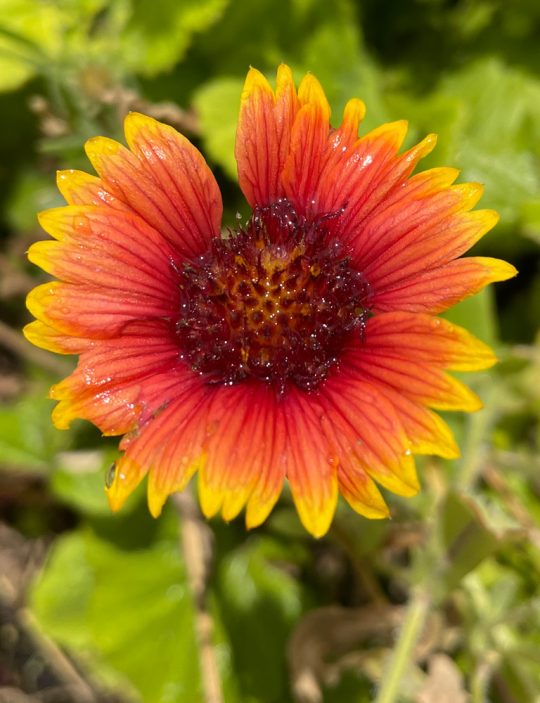
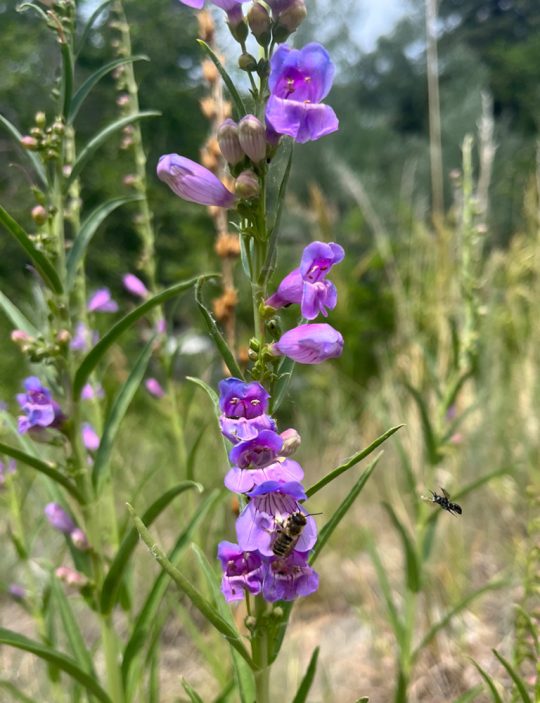
There are plenty of gorgeous native and adapted low water plants, shrubs, and trees that naturally require less supplemental water to thrive.
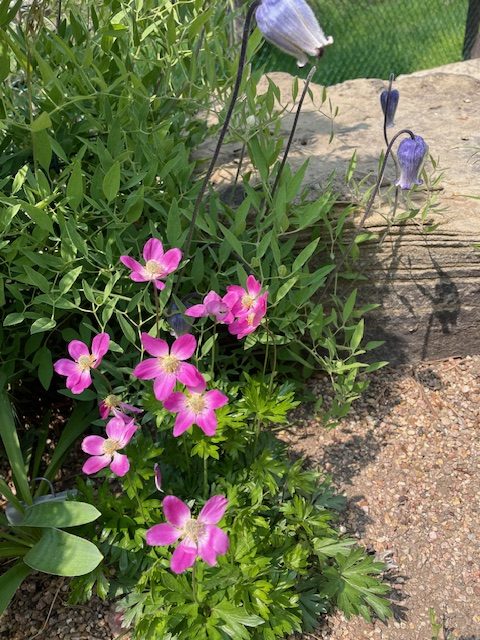
- Choose drought-tolerant and low-water plants, especially species native to Colorado, as they are well-adapted to local conditions. Fort Collins Nursery grows thousands of low-water and native plants.
- Use local resources (like Plant Select® or Fort Collins Xeriscape programs) for guidance and inspiration on water-wise landscaping.
Planting
Creative planting arrangements can significantly reduce water usage by improving efficiency and minimizing waste.
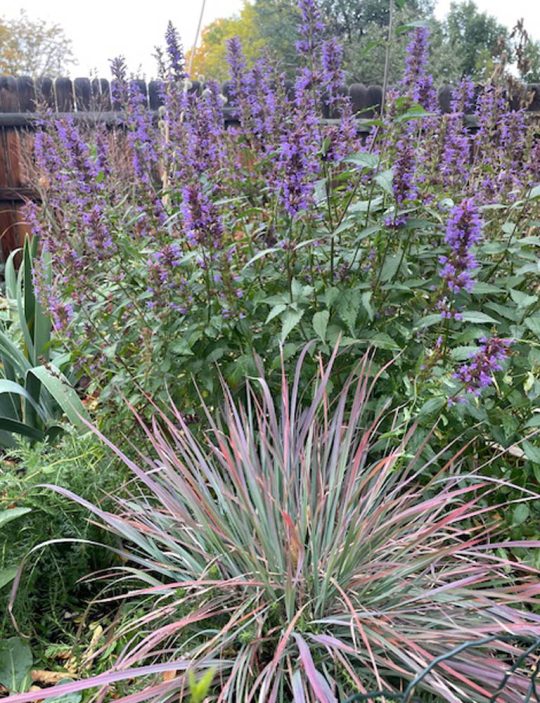
- Utilize one of the basic rules of Xeriscaping by grouping plants together based on similar water needs to improve efficiency and avoid over- or under-watering.
- Incorporate shade into your garden design to cool the yard and reduce water loss.
- Plant taller, fuller plants to the south or west of smaller plants to provide natural shade and protect soil moisture.
- Improve soil before planting by adding amendments like compost, peat moss, or other conditioners.
- Enhance clay soils to boost nutrient content, water retention, and drainage.
Tools & Materials
Combining the right tools and materials will significantly improve overall water conservation in your garden.
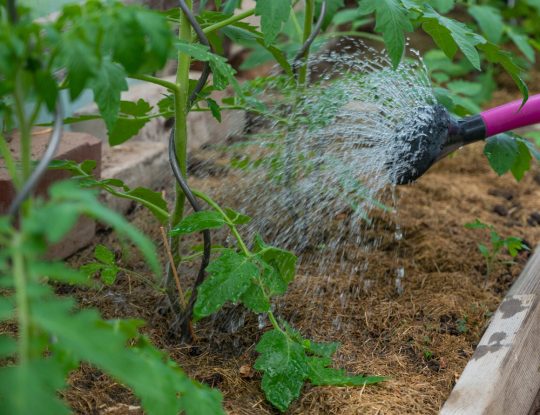
- Use simple, water-efficient tools like soaker hoses, hose wands with shut-off nozzles, or ollas to reduce water waste.
- Regularly break up compacted soil to help moisture penetrate more effectively. Keep a rake handy to loosen topsoil, improve water absorption and limit weed competition.
- Consider adding shade structures such as sails or awnings to reduce heat and slow evaporation.
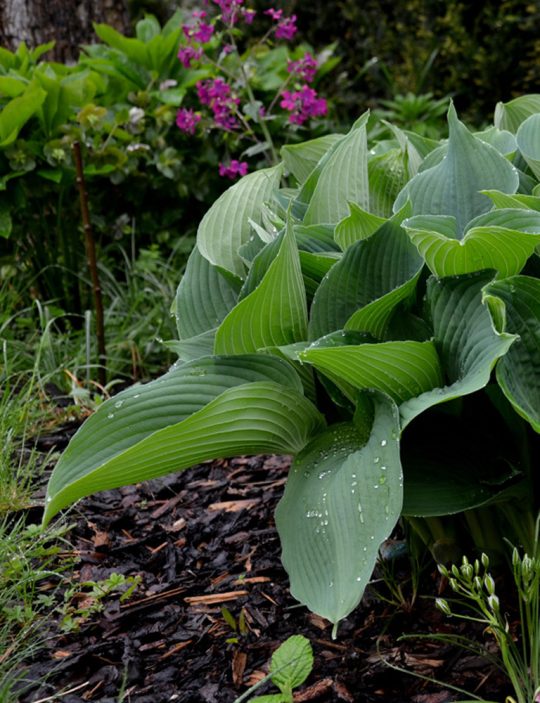
- A thick layer of mulch in the form of wood chips, bark, straw, or gravel will reduce the amount of water that is lost to evaporation, and helps limit weeds that compete with your plants for resources.
Originally published on April 14th, 2026.