By Alex Tisthammer
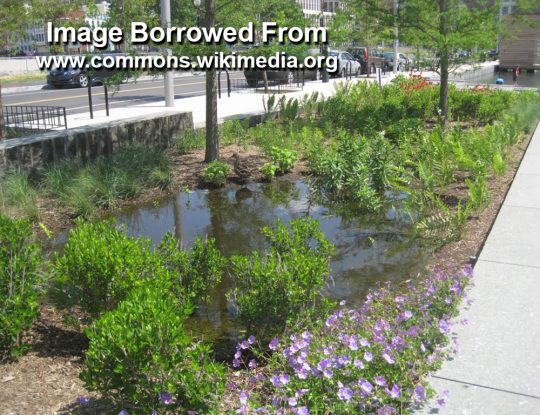
Are rain gardens necessary in Colorado? While we may not have consistent, heavy rainstorms like other parts of the country, we do have our share of heavy storms and hail. These storms are great for highlighting exactly where problem spots have developed, where water drains to, and where water pools. The combination of clay soils, turf, and paved areas results in a lot of stormwater runoff not getting absorbed into the soil, instead streaming straight into storm drains that eventually feed into our natural waterways. Much of this water is contaminated with fertilizers, pesticides, pet waste, and car oils that the water encounters along the way. Rain gardens not only capture this water and distribute it slowly, reducing erosion, but also naturally filter out many of the nasty pollutants.
How Rain Gardens Work
Rain gardens use natural materials to capture and filter water that would otherwise flow unchecked through the area. They utilize a combination of plants, contours, and rocks to create an environment that can use natural precipitation in a way that is environmentally friendly. Plants with diverse types of root systems, both fibrous and deep, help the soil become more penetrable and allow water to seep in. The lower level of the whole garden captures water from traveling and distributes it slowly, usually in 24-48 hours. Rocks of varying size are used where downspouts are located or other high-flow areas to prevent erosion.
Is A Rain Garden Right for the Space
A great time to see if a rain garden would benefit a space is after a big rain storm or immediately after lawn irrigation has run. This showcases where water pools and where it’s not getting captured. Rain gardens are not suitable for all areas, especially where the soil doesn’t drain at all. Here is a quick and simple test to help determine the soil’s permeability:
- Dig a hole the size and shape of a coffee can in the location of the rain garden.
- Fill the hole with water and measure the initial water height with a ruler.
- After 4 hours, measure the new water depth and determine the change in water height.
- Divide the change in water level by 4 to account for lateral water movement. E.g. – Change in water level of 4 inches ÷ 4 = 1 inch
- Use the table below to determine the rain garden depth based on the change in water level value. Note: If the change in water level is less than 0.5 inches, then the area is not suitable for a rain garden.

*Table Borrowed from Colorado Rain Garden Guide
Once you identify an appropriate location for a rain garden, there are a few more technical steps involved in determining the exact size and location, as well as the important details about construction. You can find all these details in the very accessible Colorado Rain Garden Guide provided by The Colorado Stormwater Center.
Hardscaping is a crucial part of the project, but once all the heavy lifting and calculating is out of the way, it’s time to think about the plant selection. The aesthetic quality is just as important as the functionality of these gardens. Natives or nativars (cultivars of natives) are usually selected because of their root systems and benefits for wildlife and pollinators. Selecting these types of plants ensures they are likely tolerant of clay soils as well as periods of drought. However, natives are not the only plants that can be planted in these gardens; plants native to other parts of North America can benefit insects and wildlife as well. Mixing them with natives is a great way to add biodiversity and variety to the beauty of the garden. If the rain garden is capturing water only from rain and not excess irrigation water, then picking natives or drought tolerant perennials that don’t mind short periods of standing water is the best option. On the other hand, if this rain garden is for capturing runoff from an irrigation system that is frequently running, the plants selected should prefer wetter conditions since they will be absorbing water more consistently. Below is a list of a few plant selections for either situation:
Drought Resistant
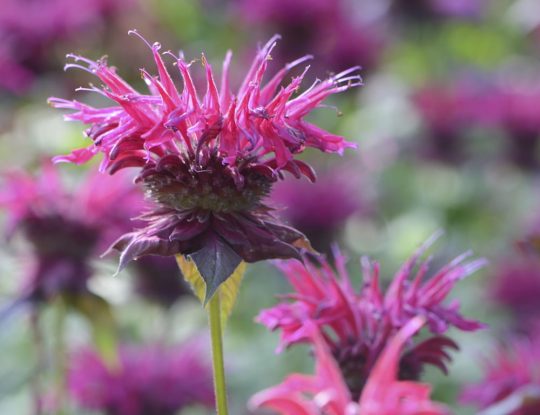
- Native Bee Balm (Monarda fistulosa)
- Maximillian Sunflower (Helianthus maximiliani)
- Sunchoke (Helianthus tuberosus)
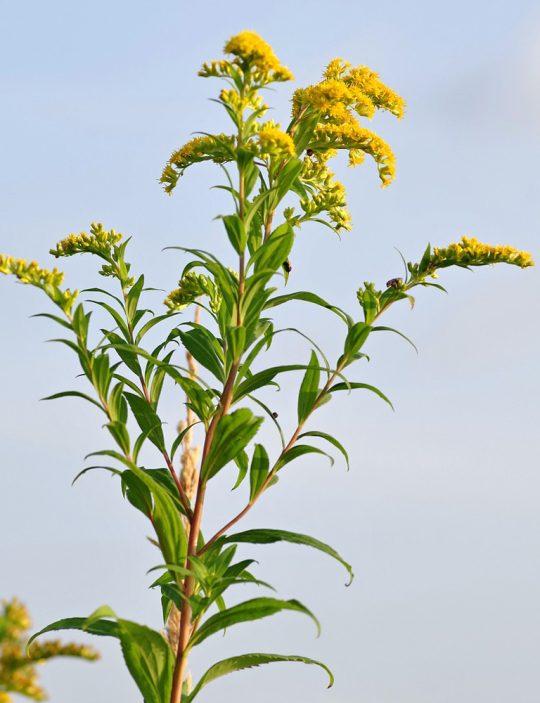
- Goldenrod (Solidago speciosa)
- Ironweed (Vernonia fasciculata)
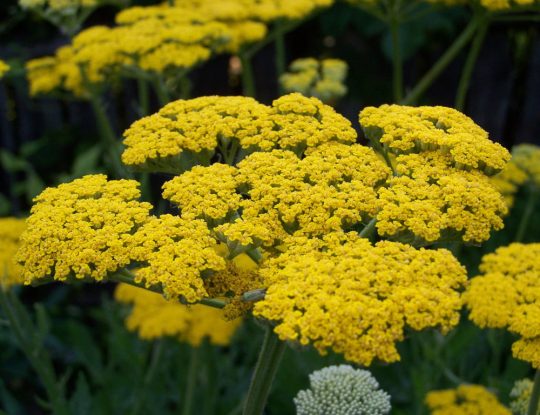
- Yarrow (Achillea millefollium)
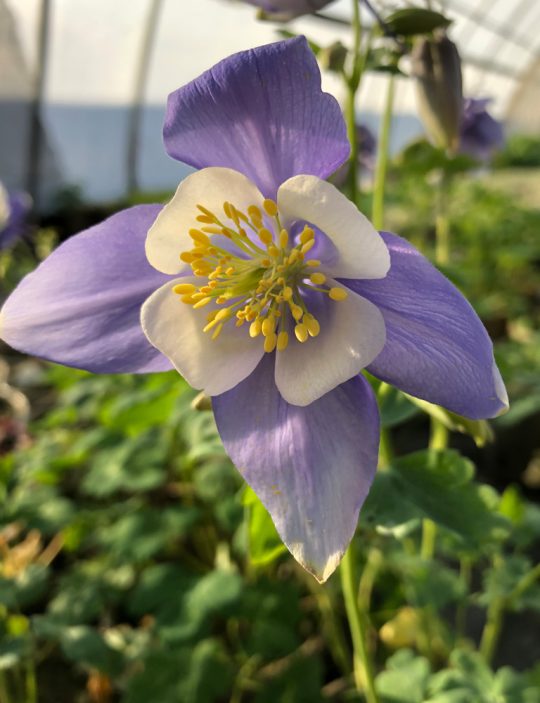
- Columbine (Aquilegia coerula)
- Harebells (Campanula rotundifolia)
- Fleabane (Erigeron speciosus)
- Blue Grama (Boutelous gracilis)
Consistent Water
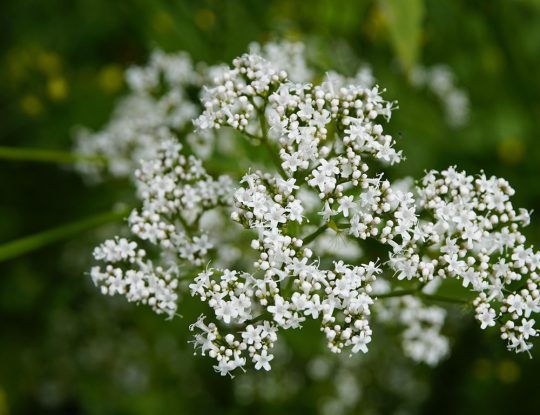
- Valerian (Valeriana officinalis)
- Iceberg Alley Willow (Salix candida ‘Jefberg’)
- Queen’s Crown (Rhodiola rhodantha)
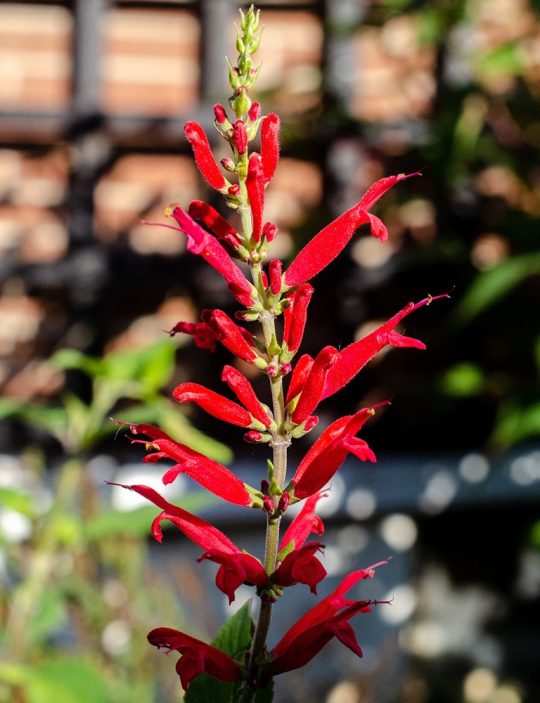
- Red Lobelia (Lobelia cardinalis)
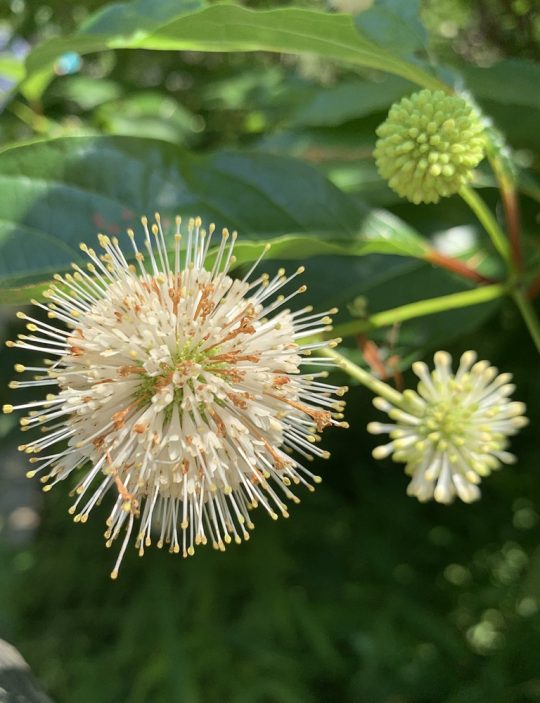
- Buttonbush (Cephalanthus occidentalis)
- Meadowsweet (Filipendula ulmaria)
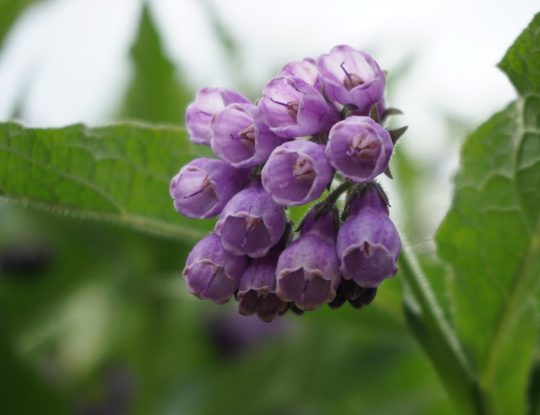
- Comfrey (Symphytum officinale)
- Swamp Milkweed (Asclepias incarnata)
- Blue Vervain (Verbena hastata)
Once the rain garden is installed and planted, the majority of maintenance will be done the first year to ensure the plants are establishing well. Supplemental watering may be necessary while the plants are growing larger root systems, but after the first year only the occasional watering may be called for in periods of extreme heat or drought. Of course weeding will be needed, but as the plants fill in it should be less and less frequent. Rain gardens are an eco-friendly solution to a common problem. Water is one of the most precious resources for humans and for wildlife, especially as our world becomes hotter and more densely populated. Anything that can be done to conserve water and keep it clean in a practical way is worth the effort, time and money! Interested in learning more about rain gardens? Listed below are some other great resources, many of them produced by local entities.
City of Fort Collins Rain Garden in Library Park
Water Center Rain Garden Resources- Includes free Rain Garden Landscape Designs!
Example of Rain Garden from Missouri Prairie Foundation
Sources:
Rainscaping Guide: Rain Gardens
Gardening For Rainwater: Creating a Rain Garden
Originally published on August 28th, 2025. Updated on August 29th, 2025.