
By Eri Matsumura
As the days shorten and temperatures dip, the garden exhales after a long season of growth. It’s time to shift from planting and harvesting to protecting and preserving. Winter preparation helps your garden weather the cold months in good health and sets the stage for a strong start in spring. With a few key tasks like cleaning, mulching, and tree wrapping, you can ensure your landscape enters winter ready and resilient.
1. Start with a Thorough Cleanup
Begin by clearing out what’s finished for the season. Remove spent annuals and clear out your vegetable beds. Rake fallen leaves from lawns and garden beds – healthy leaves can be shredded and used as mulch or added to the compost pile. Any diseased plant material should be thrown away to prevent overwintering pests and pathogens. Leave your perennials. They provide shelter for overwintering insects and the seed heads, like those on coneflowers and rudbeckias, can provide a food source for birds to enjoy. If you use raised beds, top them with a few inches of compost to enrich the soil over winter.
2. Mulch Garden Beds for Protection
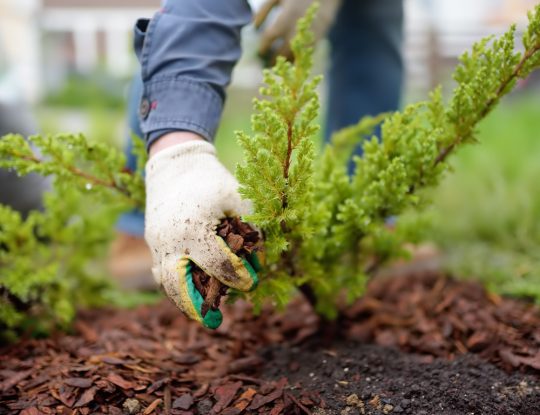
Mulching is one of the simplest yet most important winter tasks to protect your garden. It helps regulate soil temperature, retains moisture, and minimizes extreme freeze–thaw cycles that can stress root systems. Like nature’s blanket, mulching also protects soil structure and microbial life beneath the surface, reduces erosion, and prevents weeds from taking hold when the thaw comes.
Wait until after the first few frosts, when the soil is cool but not frozen. Then lay out two to four inches of organic mulch. You can use shredded leaves, straw, pine needles, or wood chips. Spread the mulch around your perennials, shrubs, and trees. Keep mulch a few inches away from the stems or trunks to avoid rot. If you have tender plants, like roses or hydrangeas, you can heap extra mulch around their base as added protection.
3. Wrap and Protect Young Trees
Tree wrapping is an often-overlooked step that can make a big difference, especially for young or thin-barked trees like maples, lindens, birches, and fruit trees. Even in the winter, the Colorado sun can still be intense, even more so when the sunlight reflects off the snow. The sun can warm the bark during the day, only for it to freeze suddenly at night – a cycle that causes cracking known as sunscald. Additionally, exceptionally dry winter air can dessicate young bark, causing it to shrink and split, creating wounds which invite pest and pathogenic infestation.
To prevent this, wrap trunks with a breathable commercial tree wrap or a light colored rigid plastic guard (do not use film plastic which can trap moisture and cause fungal and disease issues). Start at the base of the trunk and work your way up, overlapping each layer by approximately 30% until you are above the lowest branches. Secure the wrap loosely so moisture doesn’t get trapped underneath. Typically tree wrap is applied at the end of November and then removed mid April after the danger of hard frost has passed.
4. Give the Lawn and Tools Some Attention
Your lawn needs a bit of prep before winter too. Rake leaves so they don’t mat down and smother the grass. Mow one final time a little shorter than usual to around two inches, add the grass clippings to your much.
If you fertilize, use a winter blend that’s higher in phosphorus and potassium to strengthen roots for the cold months. Avoid nitrogen-heavy fertilizers this late in the season, they encourage tender new growth that’s vulnerable to frost and wastes the plants energy.
Clean tools before storing them — scrub off dirt, dry them well, and apply a light coat of oil to prevent rust. Drain and store hoses and rain barrels to keep them from cracking in freezing temperatures. Empty and clean pots, fountains, and birdbaths. Cover or store patio furniture and garden ornaments that might crack in freezing weather. A little attention now saves frustration later when everything’s frozen or hidden under snow.
5. Take a Final Look Around
Before the first snow, take one last walk through your garden. You’ll see the structure of your landscape more clearly now. The shapes of shrubs, the lines of beds, some gaps to fill next year with more plants. Take note of these ideas while checking for loose branches that could break under snow weight, and make sure trellises and other supports are stable.
Winter preparation might not be as exciting as playing in the garden, but it’s just as rewarding. A clean, protected garden means fewer problems in springtime and a smoother start to the growing season. With your trees wrapped, beds mulched, and tools stored, you can rest easy knowing your garden is tucked in and ready for its winter rest.
Originally published on October 31st, 2025.