By Alex Tisthammer
With the spring season in full swing, Fort Collins Nursery’s native plants are here! My last article on native plants introduced the ‘grow native’ movement, how the landscape is changing, and how we as gardeners can evolve with it. In this article, I will be highlighting the characteristics of some of Colorado’s coolest natives that we have to offer. Used correctly and allowed to do what they do best, these wonderful native selections reduce water use, increase biodiversity, and attract beneficial insects into your garden! Here are some of my favorites for this 2026 season.
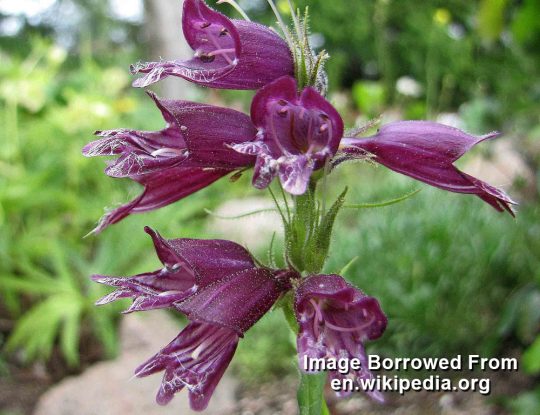
Penstemon whippelanus– Whipple’s Penstemon
- Size: 18″-24″ tall, 6″-12″ wide
- Water: Low to moderate
- Light: Full sun to partial shade
- Hardiness zones: 4-8
Whippleanus is a mountain penstemon with plump, nodding flowers stacked on tall stems. The flower colors can vary from a dark purple-black, a deep wine or a white with hints of purple. It does well in higher elevations and alpine terrain and is a valuable pollen source for native bees.
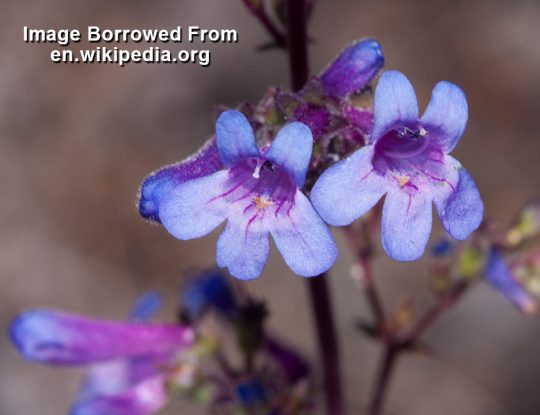
Penstemon humilis– Lowly Penstemon
- Size: 4″-10″ tall, 4″-10″ wide
- Water: Low to moderate
- Light: Full sun to partial shade
- Hardiness zones: 5-9
This petite penstemon has green foliage with an underlying blush of purple and pinkish stems. The colorful stems contrast beautifully with the blue flowers and bring out the magenta stripes in the flower’s throats. At only 4″-10” tall and wide, its small stature makes it ideal for crevice or rock gardens.
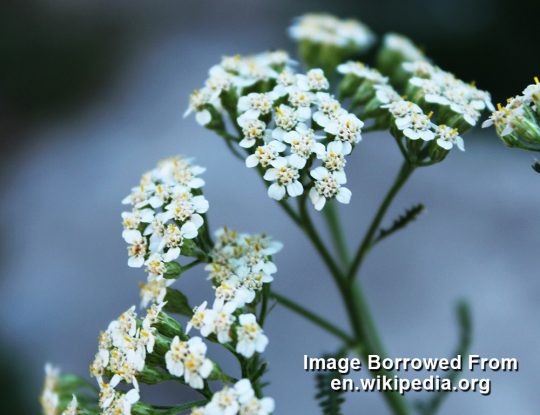
Achillea millefolium– Western Yarrow
- Size: 12″-24″ tall, 12″-24″ wide
- Water: Low to moderate
- Light: Full sun to partial shade
- Hardiness zones: 3-9
A common wildflower in the western and prairie regions, this yarrow’s soft ferny foliage is a wonderful lawn alternative that creates a mat when mown regularly. If left unmown the white umbels will reach 12-24” inches tall in June. The clusters of flowers are perfect for butterflies and bees. This variety of yarrow can tolerate light shade.
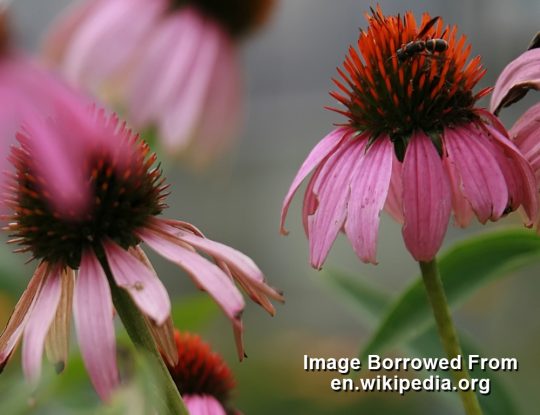
Echinacea angustifolia– Narrow Leaf Coneflower
- Size: 12″-24″ tall, 8″-18″ wide
- Water: Low to moderate
- Light: Full sun
- Hardiness zones: 3-8
Light purple/pink petals surround orange cones that sit atop tall 24” stems. As its common name indicates, the leaves are much narrower than Echinacea purpurea varieties. Great for butterflies, bees and birds. Blooms June through July. Leave the seedheads on the plants through the winter to supply food for songbirds, and add seasonal interest to the garden. It can also reseed in the right environments.
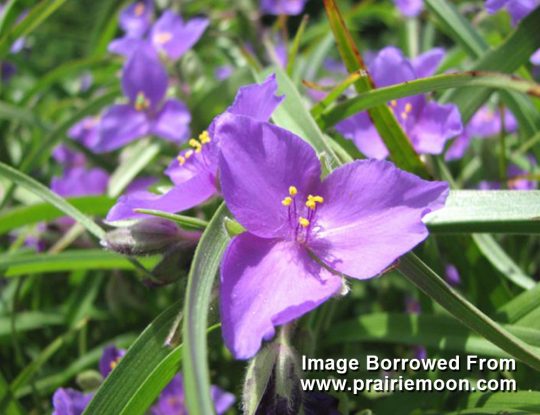
Tradescantia occidentalis- Prairie Spiderwort
- Size: 24″-30″ tall, 12″-18″ wide
- Water: Low to moderate
- Light: Full sun to full shade
- Hardiness zones: 3-9
Native to western prairies, this spiderwort is perfect for shady areas and is very attractive to a wide variety of native bees. The grassy blue foliage adds interesting leaf shape and texture. Trimming off the spent blossoms extends blooming all throughout the season, and it can reseed if in the right conditions. This spiderwort is versatile and can adapt to light conditions from nearly full sun to nearly full shade, depending on the amount of water it receives.
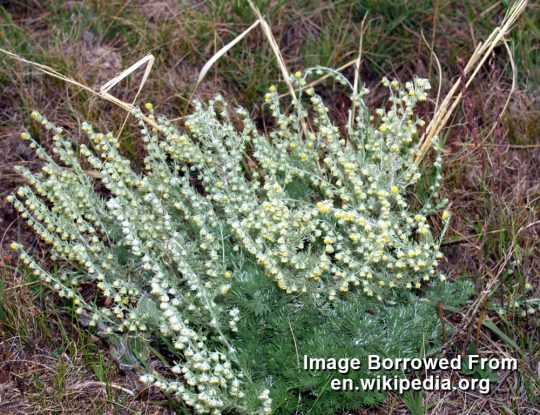
Artemisia frigida– Fringed sage
- Size: 6″-18″ tall, 12″-18″ wide
- Water: Low
- Light: Full sun
- Hardiness zones: 3-10
This delicate native sage has silvery foliage that stays relatively low to the ground, making it an attractive groundcover. When in flower it can reach up to 18″ tall, but the remainder of the year it is 6″ tall. It does best in dry, hot and well-draining locations. This artemisia can be used as a host plant for Paintbrush*.
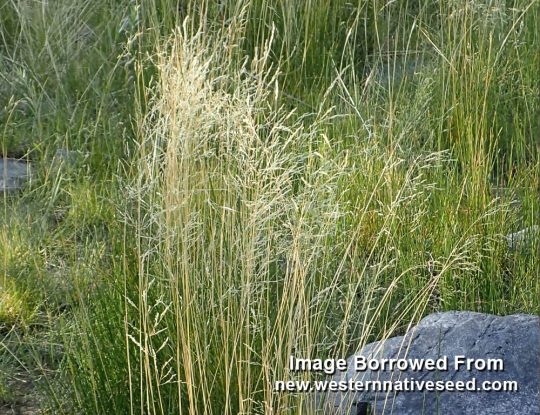
Deschampsia caespitosa– Tufted Hairgrass
- Size: 24″-36″ tall, 12″-24″ wide
- Water: Moderate to high
- Light: Partial shade
- Hardiness zones: 4-8
A smaller, clumping grass that tolerates shade and wetter soil. The attractive green blades form a uniform mound; in June tall sprays of seedheads appear that turn a lovely gold as they dry. These airy seedheads give the garden a wonderful sense of movement while also supplying important food for several types of butterflies when in their larval stage.
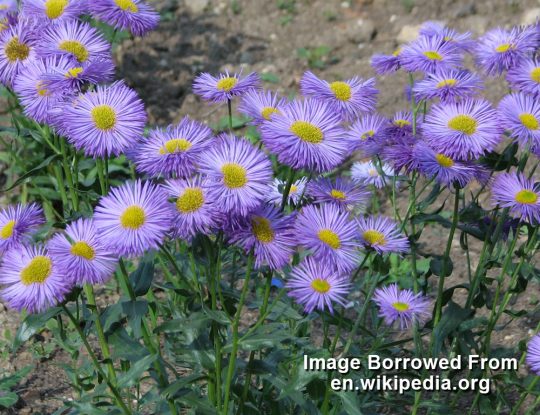
Erigeron speciosus– Aspen Fleabane
- Size: 24″-36″ tall, 12″-36″ wide
- Water: Low to high
- Light: Full sun to partial shade
- Hardiness zones: 4-9
This versatile native sports daisy-like flowers of lavender colored petals surrounding sunny yellow centers. This mountain wildflower performs best in sunny, moist but well-drained locations, but can handle partial shade and dry areas. This is another native that can be used as a host plant for Paintbrush*.
With such a wide range of options, there is a native flower for every landscape. Now is the time to start considering how these tough and functional beauties can satisfy your planting needs and add joy into your garden. There are many intriguing and wonderful natives that the Colorado flora has to offer us, why not include some of them in our yards? They remind us of the Colorado landscape we cherish while supporting the fauna that relies on it. We have a great selection now but they sell fast, so make sure to stop in soon to ‘grow native’!
*Paintbrush, Castilleja spp. (formerly known as Indian Paintbrush) are hemi-parasitic plants that attach to a host plant to supply their nutritional needs, therefore they must be planted with a compatible host plant to have them in our gardens.
Originally published on May 28th, 2026.